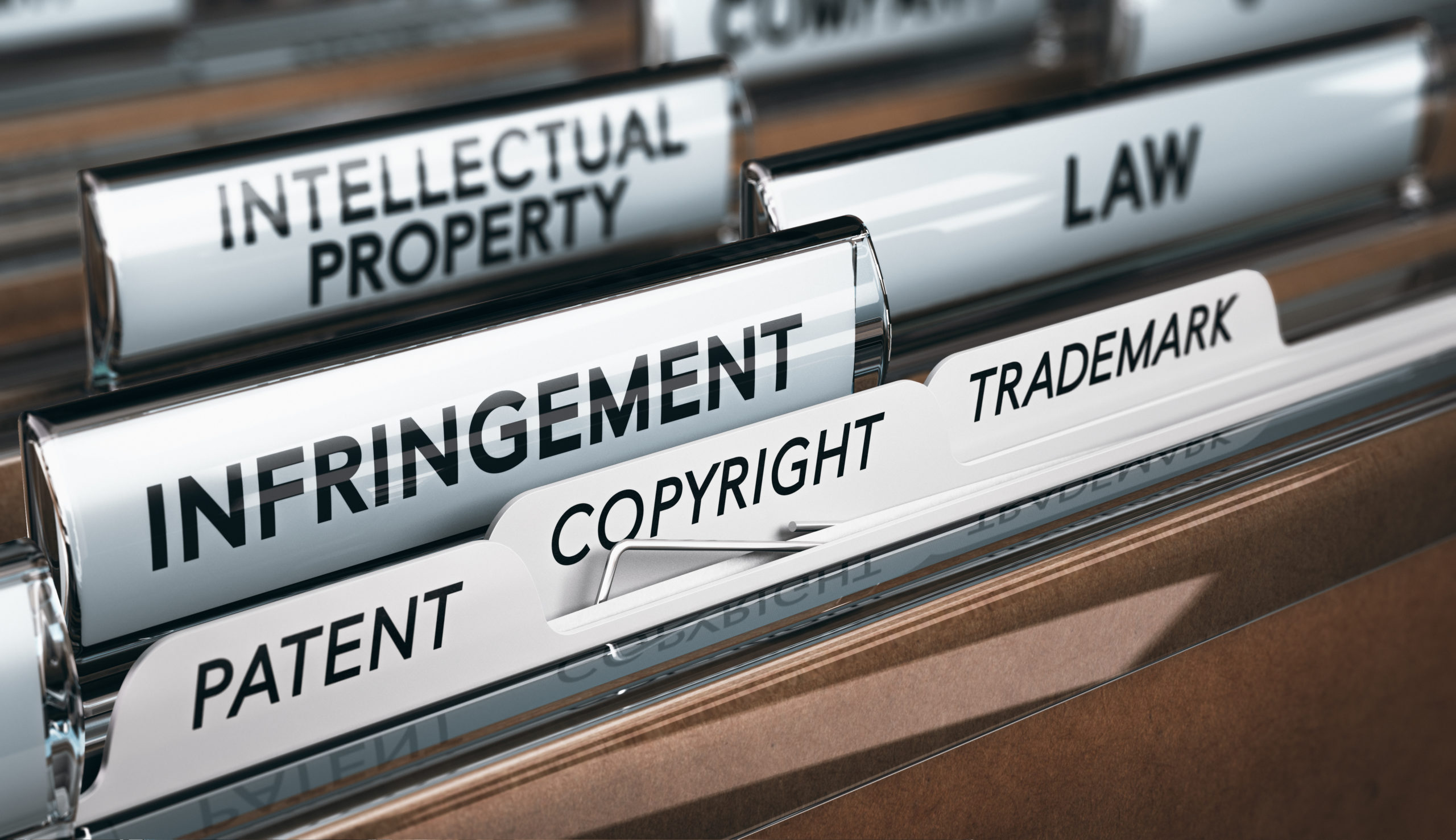
When you’re building a business, creating original content, inventing a new product, or launching a recognizable brand, protecting your intellectual property is just as important as protecting your physical assets. Yet many business owners, entrepreneurs, artists, and inventors mistakenly believe that copyrights, trademarks, and patents all accomplish the same thing. They don’t.
Each form of intellectual property protection serves a unique purpose, and choosing the wrong one, or failing to secure protection altogether, can leave valuable assets vulnerable to competitors. Working with an intellectual property lawyer can help ensure that your creative work and innovations receive the appropriate legal protection. It’s important to know the differences between copyrights, trademarks, and patents, understand when each applies, and why comprehensive intellectual property protection is more important than ever in today’s AI-driven marketplace.
Intellectual property (IP) refers to creations of the mind that have commercial or creative value. Unlike physical property, intellectual property consists of intangible assets that can often become a company’s most valuable resource. Examples of intellectual property include brand names and logos, books and articles, software code, music and videos, product inventions, industrial designs, business slogans, artistic works, mobile applications, and manufacturing processes. Different types of intellectual property require different legal protections, so understanding which category applies is the first step toward protecting your rights.
Copyright protects original works of authorship that are fixed in a tangible medium. Copyright protects the expression of an idea, not the idea itself. This includes books, music, movies, photography, artwork, podcasts, and website content. Many people misunderstand the scope of copyright law. Copyright generally does not protect facts, ideas, procedures, systems, methods, titles, and names. These may fall under trademark or patent protection.
Copyright protection exists automatically once an original work is created and recorded. However, registering your copyright with the U.S. Copyright Office provides significant legal advantages, including the ability to pursue statutory damages and attorney’s fees in many infringement cases.
A trademark protects the words, names, logos, symbols, colors, slogans, and other branding elements that identify the source of goods or services. Think of trademarks as protecting your company’s identity. Examples include company and product names, logos, taglines, packaging designs, distinctive brand colors, and certain sounds or product shapes.
A trademark helps consumers distinguish your products from competitors. For example, if another business begins using a confusingly similar name or logo, trademark law may provide legal remedies to stop the infringement. Unlike copyright, trademark rights can potentially last forever, as long as the mark remains in use and required renewals are filed.
Although common law trademark rights may arise through use, federal registration offers much stronger protection. Benefits include:
Many businesses wait too long before filing a trademark application, only to discover another company already owns similar rights. An experienced intellectual property lawyer can conduct clearance searches before you invest heavily in branding.
Patents protect inventions. Unlike copyrights and trademarks, patents cover new, useful, and non-obvious inventions or processes. These may include machines, medical devices, manufacturing methods, chemical formulas, and consumer products. A patent gives the inventor the exclusive right to make, use, sell, or license the invention for a limited period. There are several patent types including:
Obtaining a patent is typically the most complex and expensive form of intellectual property protection because it requires extensive examination by the U.S. Patent and Trademark Office.
Artificial intelligence has dramatically changed how creative works and inventions are developed, copied, and distributed. Generative AI can now produce images, written content, software code, music, marketing campaigns, and product concepts.
While these technologies create exciting opportunities, they also raise complicated legal questions involving ownership, licensing, training data, and infringement. Businesses increasingly face questions such as:
These evolving legal issues make experienced legal guidance more valuable than ever. An intellectual property lawyer can help businesses navigate both traditional IP laws and emerging AI-related challenges.
Yes. Many businesses own both. For example, your logo artwork may be protected by copyright while the logo itself functions as a trademark identifying your business.
Trademark registrations can potentially last indefinitely, provided they remain in use and required maintenance filings are completed on time without missing expiration dates.
While some applications can be filed without legal representation, mistakes can delay registration or weaken your rights. An experienced intellectual property lawyer can help identify potential issues, conduct searches, and develop a broader protection strategy.
The answer depends on the level of human authorship involved. U.S. copyright law continues to evolve as courts and government agencies address AI-generated works, making legal guidance increasingly important for businesses relying on AI tools.
Whether you’ve created original content, developed an innovative product, or built a recognizable brand, your intellectual property deserves careful protection. Understanding the differences between copyrights, trademarks, and patents is the first step, but implementing the right legal strategy is what helps preserve your competitive advantage. Working with an experienced intellectual property lawyer can help you identify which protections apply to your business, avoid costly mistakes, and position your intellectual property for long-term value.
At Lomnitzer Law, we help entrepreneurs, creators, artists, inventors, technology companies, and established businesses develop practical intellectual property strategies tailored to their goals. Whether you’re protecting a new brand, registering original works, evaluating patent options, or responding to infringement, our team can provide experienced legal guidance throughout the process. The earlier you protect your intellectual property, the stronger your position will be if disputes arise. To learn more about intellectual property protection call our office at (800) 853‑9692 or contact us online.