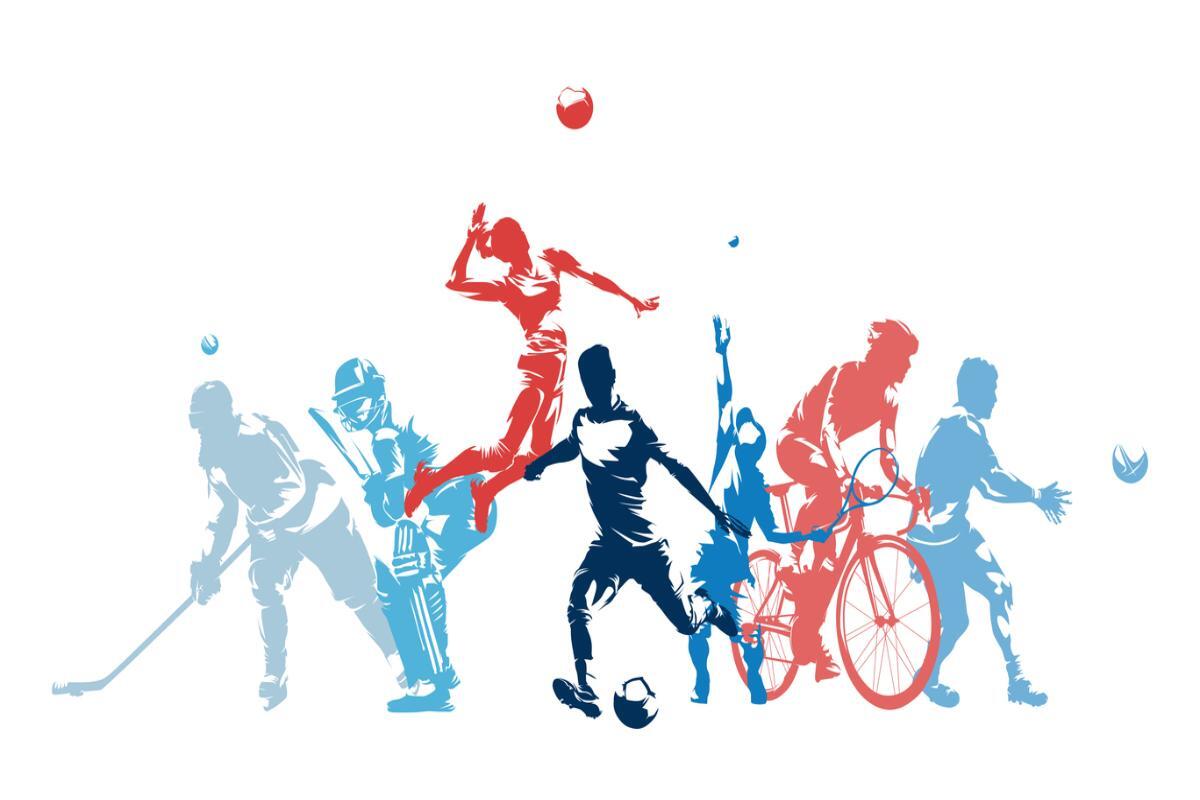
College and Olympic athletes are competing in a world where their name, image, and likeness (NIL) carry more commercial power than ever before. From endorsement deals and social media partnerships to merchandising and digital content, today’s athletes have unprecedented opportunities to build personal brands and generate income. However, with these opportunities come real legal risks—especially when third parties attempt to profit from an athlete’s identity without permission or when contracts fail to protect long‑term rights.
Understanding how to safeguard NIL assets is essential for any athlete navigating sponsorships, licensing agreements, or public exposure. The Lomnitzer Law Firm P.A., an intellectual property litigation firm in Florida, helps individuals, families, and businesses protect and enforce their intellectual property rights, including the personal identity rights athletes rely on to build their careers. With the right legal strategies in place, athletes can maintain control over how their likeness is used, prevent unauthorized exploitation, and maximize the value of their growing brands.
While professional athletes have reaped the benefits of NIL assets for years, NCAA regulations have historically prohibited college athletes from profiting from their NIL. Since these athletes couldn’t receive any compensation except scholarships, athletic programs, universities, and coaches were generating substantial revenue, whereas the athletes were not.
On July 1, 2021, the NCAA temporarily suspended its rules that prohibited college athletes from profiting from the use of their NIL. As a result, college athletes can now engage in commercial activities that financially benefit them when using their NIL rights.
NIL laws cover personally identifying information, including the following:
Now that college athletes can earn money through sponsorships, merchandise sales, and social media endeavors, they have nearly unlimited earning potential. Their NIL rights allow them to choose from a wide range of opportunities that most closely align with their personal values. They can also now start building financial independence earlier in their careers.
NIL usage also allows athletes to build personal brands, which impact everything from public appearances to social media posts. Building an influential brand can open the door for even more opportunities in the future.
At the same time, many universities have mandated transparency, requiring athletes to disclose their NIL contracts. NIL has also affected recruiting, as athletes are considering their potential NIL earnings at one university rather than another.
Recognizing the financial impact of NIL rights, universities are also starting to provide education and support for students as they navigate contracts, marketing deals, and financial freedom. This support can help young athletes understand their rights and responsibilities when dealing with matters they often have little experience with.
Trademarking your name, popular nickname, or abbreviated name, as well as any catchphrases associated with your brand, can keep others from legally using your name to make a profit. Even though an athlete may not have products at this point, name recognition is a direct link to an athlete, so trademarking your name early in your career is ideal to protect your future interests, which may include associated products. Likewise, if you have developed logos, slogans, or catchphrases using your image, trademark law can also help protect these critical parts of your brand. A recognizable logo can easily associate products or other offerings with your name. A trademark can be the most powerful way to safeguard many of your NIL assets and ensure that you maintain control over how others use your NIL.
Another way to protect your NIL rights, especially online, is to claim ownership of “yourname.com” so that you can control its usage in the future. You might also consider registering similar domains, such as those containing common misspellings of your name.
Protecting your NIL rights goes beyond just getting trademarks and registering domain names. To enforce those rights, you must be aware of others who infringe upon them. For instance, setting up a Google alert can notify you when your name or certain words appear online in any context. Social listening tools monitor social media sites for unauthorized NIL usage.
The DMCA requires service providers to promptly take down content upon receiving notice of unauthorized copyrighted material posted online.
Copyright and trademark infringement laws on both the federal and state levels allow you to legally pursue infringers who have caused harm to your earnings or reputation.
Athletes should carefully review the scope of rights they are granting, the duration of the agreement, and whether the contract limits future opportunities. Many NIL contracts include broad usage terms that allow companies to use an athlete’s image indefinitely or in ways the athlete never intended. It’s also important to understand payment structures, exclusivity clauses, and whether the agreement restricts partnerships with competing brands. Having an attorney review the contract helps ensure the athlete maintains control over their identity and avoids long‑term obligations that could conflict with future deals.
Yes. Unauthorized use of an athlete’s identity can still violate NIL rights, even if the infringer didn’t profit directly. Misuse can harm an athlete’s reputation, imply endorsements that don’t exist, or interfere with existing sponsorships. Depending on the situation, athletes may pursue removal of the content, demand a cease‑and‑desist, or seek damages under state and federal intellectual property laws. Early intervention is key to preventing wider misuse.
Social media posts tied to NIL agreements must comply with both contract terms and advertising laws. Athletes should clearly disclose sponsored content, avoid using copyrighted music or images without permission, and ensure that posts don’t conflict with other endorsement agreements. Because social media activity is public and permanent, mistakes can quickly escalate into legal or compliance issues. Working with legal counsel or a knowledgeable advisor helps athletes meet disclosure requirements, protect their brand, and fulfill NIL obligations.
As college and Olympic athletes continue to build powerful personal brands, safeguarding your name, image, and likeness is no longer optional—it’s essential. Every endorsement, appearance, sponsorship, and digital opportunity carries both financial potential and legal risk. The Lomnitzer Law Firm P.A., an intellectual property litigation firm in Florida, helps athletes and their families understand their rights, enforce them when necessary, and control how their identities are used on and off the field.
If you’re ready to strengthen your NIL strategy, prevent unauthorized use, and protect the value of your personal brand, call (800) 853‑9692 or contact us online to get started.